Summer Sun: A Handwritten Font for Warm, Inviting Editorial Design
A Real Publishing Moment: Choosing a Font for a Lifestyle Blog Redesign
While redesigning a seasonal lifestyle blog earlier this summer, I found myself sifting through display fonts that could capture the warmth and personality of the publication’s voice. The goal was to create a header that felt personal yet polished—something readers would instantly connect with. That’s when I landed on Summer Sun, a soft handwritten font that immediately brought a sense of approachability and charm to the layout.
What Is Summer Sun?
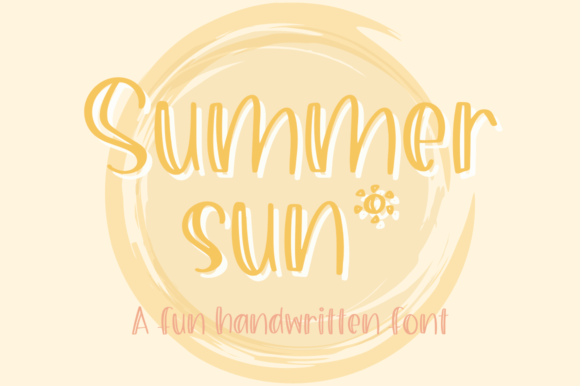
Summer Sun is a modern handwritten script font designed with a gentle, flowing rhythm and a warm, informal tone. It’s categorized under Script Amp, a group of expressive fonts often used for branding, packaging design, and editorial accents. Its strokes mimic real handwriting, with subtle variations in pressure and spacing that make it feel personal and crafted.
Unlike overly stylized script fonts that can become illegible in larger layouts, Summer Sun maintains a careful balance between personality and clarity. It’s not overly decorative, which makes it ideal for digital and print use, especially in contexts where readability still matters.
How Summer Sun Works in Editorial Design
I tested Summer Sun across several editorial elements—blog headers, pull quotes, newsletter graphics, and chapter openers for a downloadable summer recipe guide. In each case, the font brought a soft, inviting tone that complemented the content without overpowering it.
- In a blog header, it created a warm first impression, especially when paired with a clean sans serif like Lato or Roboto for navigation and subheaders.
- For a pull quote in an article about outdoor entertaining, it added a handwritten, conversational feel that made the quote stand out visually.
- In a recipe ebook, it worked beautifully for chapter titles and seasonal taglines, giving the guide a handcrafted aesthetic that felt intentional and editorially cohesive.
Readability and Use Cases
One of the key considerations when choosing a display font like Summer Sun is readability. While it’s not suitable for long-form body copy or small captions, it shines in larger, more prominent text elements. On screen, it holds up well at sizes above 24px, especially in web headers and newsletter banners. In print or PDF exports, its organic texture adds a tactile quality that digital fonts often lack.
That said, Summer Sun is best reserved for:
- Cover titles and ebook headers
- Blog headers and newsletter banners
- Pull quotes and feature openers
- Printable planners, coaching worksheets, and course PDFs
- Wedding guides, event planners, and creative brand assets
It’s less effective in dense body text or formal editorial reports where clarity and neutrality are key.
Font Pairing and Editorial Consistency
One of the joys of working with Summer Sun is how well it pairs with more structured fonts. For body copy, I found it worked beautifully with a readable serif like Merriweather or a clean sans serif like Open Sans. This contrast reinforced the visual hierarchy while keeping the overall layout cohesive.
In a recent digital magazine layout, I used Summer Sun for section headers and paired it with a classic serif for article text. The result was a warm yet professional look that felt editorially grounded. The font’s slight irregularity gave the design a human touch, making the publication feel more curated and less templated.
Practical Considerations for Digital and Print Use
Before finalizing Summer Sun for a downloadable planner I was designing, I checked the included styles, ligatures, and alternate characters. The font includes several OpenType features that allow for more natural variation, especially in longer titles or repeated use across pages.
It also supports multiple languages and comes in standard formats (OTF, TTF), which made it easy to integrate into both print and digital workflows. For creators selling printables or digital products, it’s important to confirm commercial font licensing—Summer Sun is typically available with a license that covers use in templates, ebooks, and client-facing design assets.